
The deep roots of this land
You walk through a mosaic of millennia. The roots of the village are entwined with the ancient city of Cales and with the Italic people of the Ausoni. From Roman times, the fertility of this part of "Terra di Lavoro" made it a prosperous crossroads.
The original nucleus, whose name derives from the warm idea of "casa" (home), took shape around the old settlement of "Vignali", a name that still echoes the winegrowing vocation of these hills.
Over the centuries the community has shown a rare capacity for welcome: after the 1656 plague, surviving inhabitants of the nearby village of S. Janni al Ponte Campano found refuge among these streets, expanding the village and merging into a single family.
Today you can walk among noble palaces, ancient churches and hear a poetic dialect, keeper of archaic words such as "Spusélla" and "Cutulurciu", that speaks of a people who look ahead without forgetting.
What to see: between spirituality and nature
The spiritual heart of the village
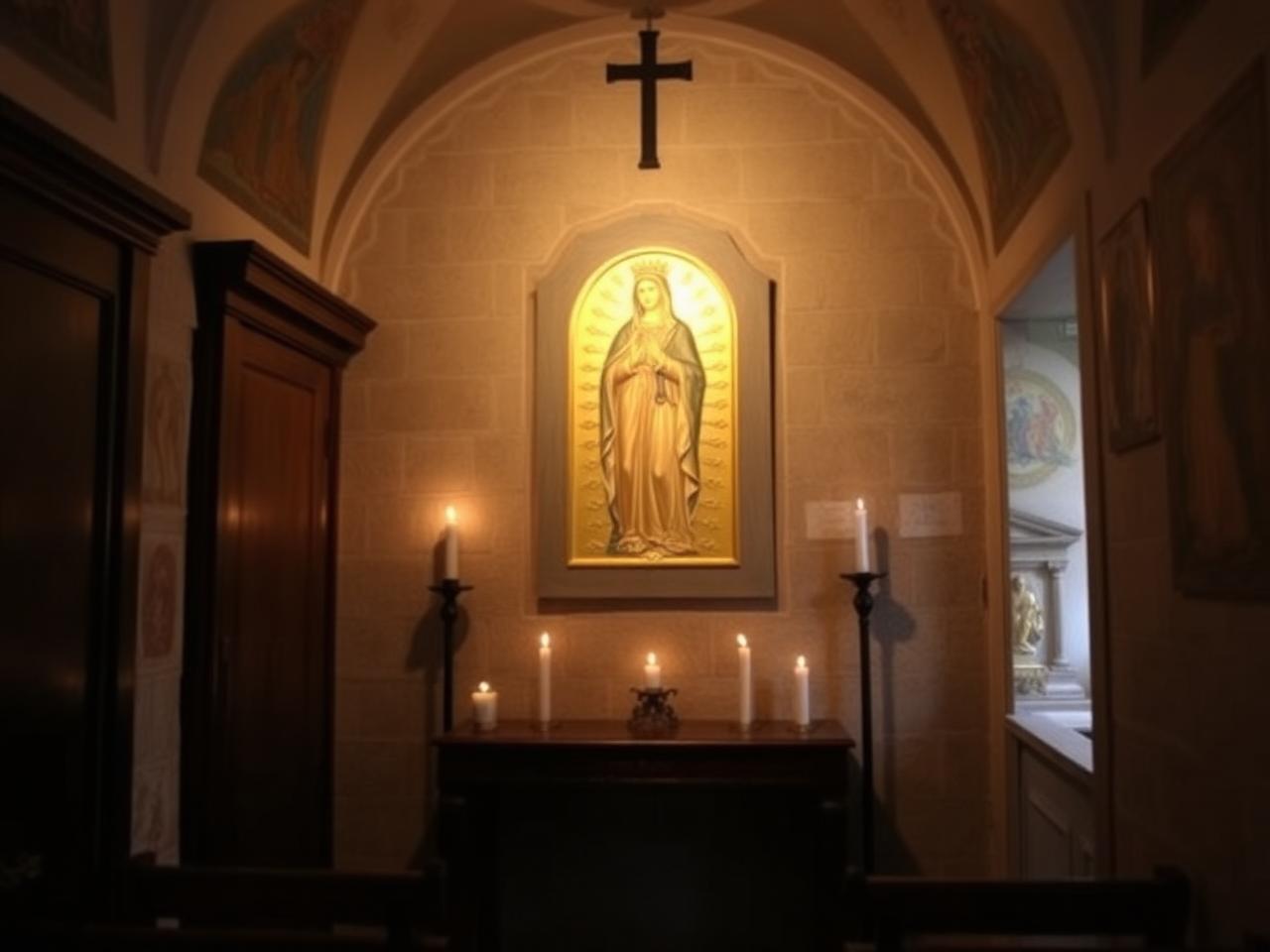
Sanctuary of Maria SS. delle Grazie
Historically known as S. Maria a Pisciariello, this is the beating spiritual heart of the village. Tradition recounts that around 1600 the Virgin appeared to a young girl of the village, Antonietta Fava, while she was washing clothes by night in a stream. The gentle Lady lit up her work and made the cloths miraculously white. Today the Sanctuary, officially recognised in 2017, holds a precious 15th-century icon and a mysterious underground crypt.
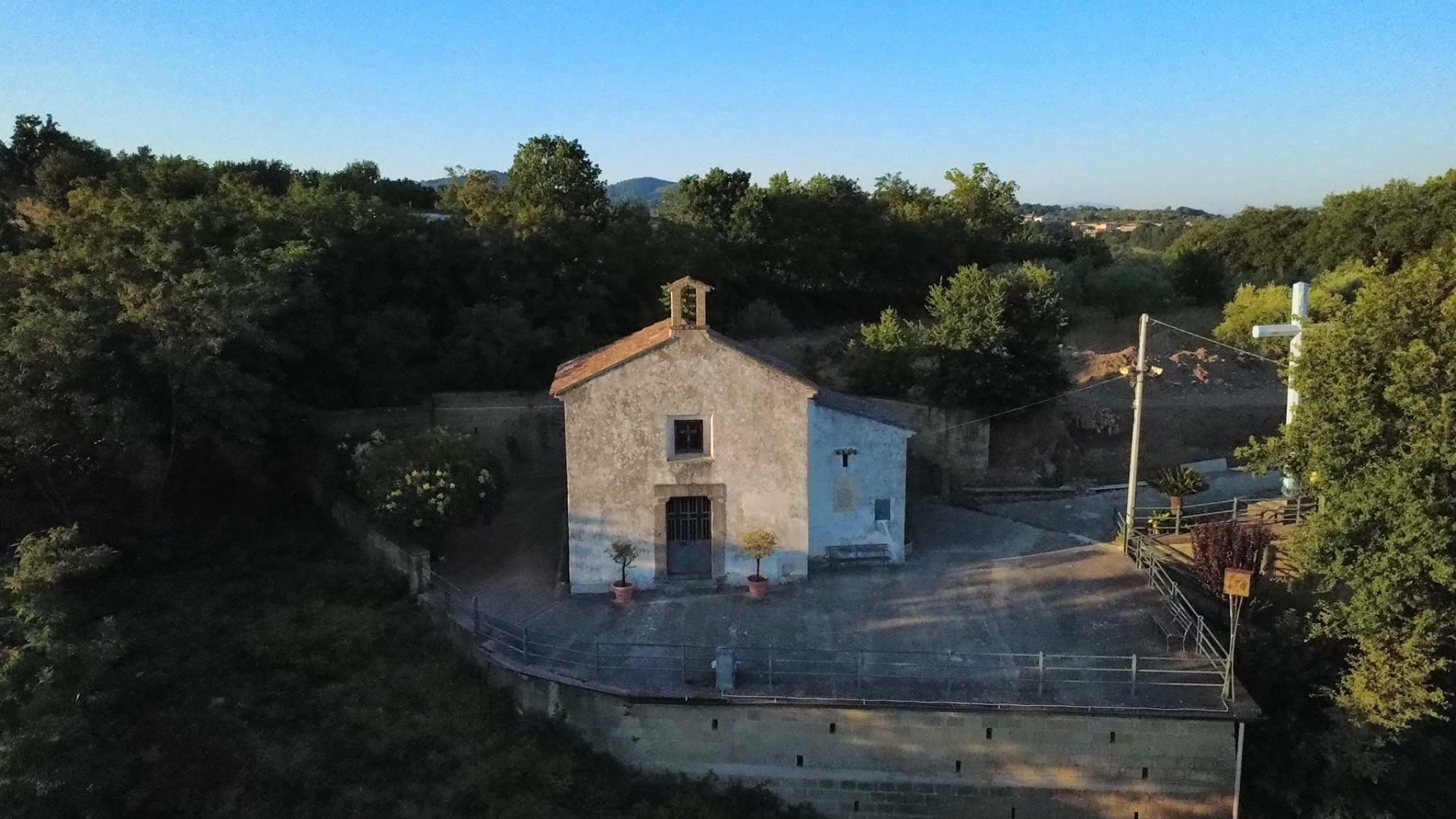
15th century · On ancient Roman memories
Chapel of Saint Paul
Built in massive local tuff during the 15th century, it stands on a hilltop where, according to ancient tradition, the Apostle Paul rested for a few days in AD 61 on his journey to Rome. Inside: striking frescoes and the remains of a Roman hypogeum.
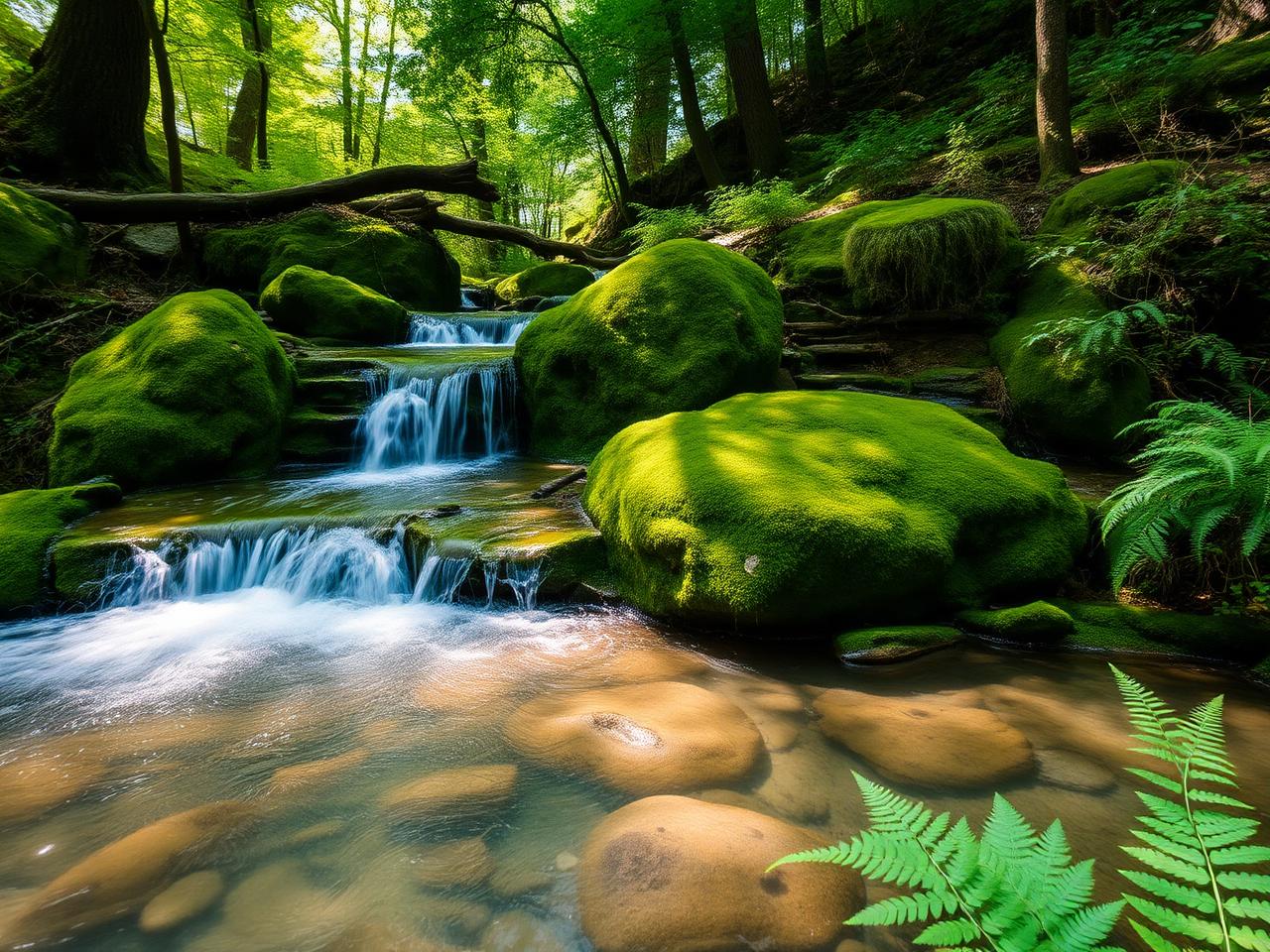
Low-altitude trekking in the Ager Falernus
Corriole Waterfall & CAI trails
A short walk from the centre, nature shows its full force. Following the trails marked by the Italian Alpine Club (CAI), including the route linking Sessa Aurunca to Carinola through striking tuff cliffs and quiet monasteries, you can reach the clear waters of the Corriole waterfall, a quiet paradise for slow travellers.
Not to miss
Church of SS. Giovanni e Paolo, dedicated to the patron saints and enriched by frescoes spanning the 15th to the 17th century, it is the centre of the most heartfelt celebrations, where the traditional Hymn to Saint Paulstill rings out.
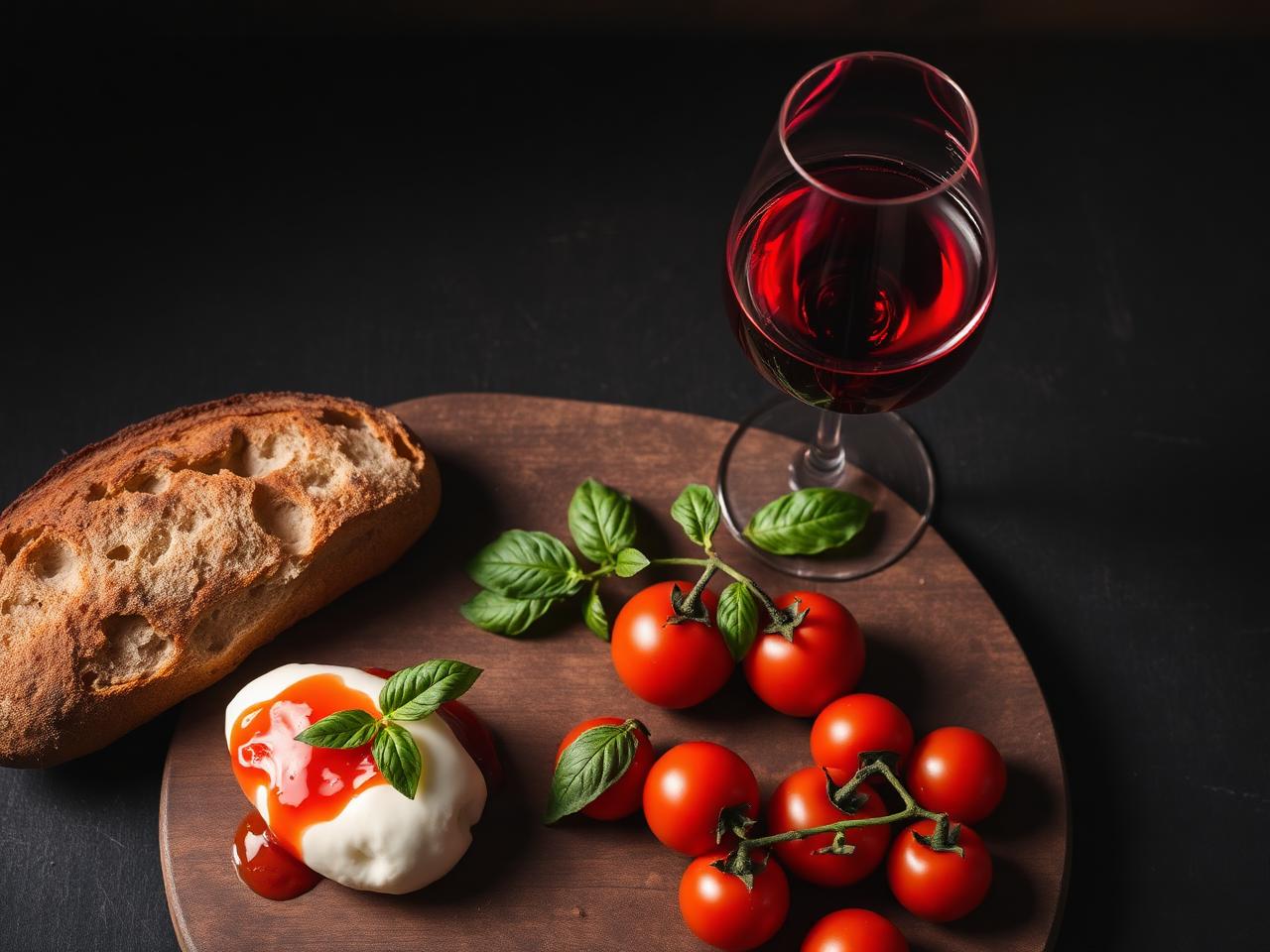
Flavours of the land
Visiting Casale means giving in to the great Campanian table. The food and wine of the village, backed by the leading produce of the Caserta province, is exceptional.
Treasures of the land
Queen Buffalo Mozzarella PDO, the unmistakable crunch of the Annurca apple, and the treasures of the Caserta vegetable gardens.
Traditional recipes
Farmhouse soups, local sopressate, sausage rolls from the village fairs, roccocò, mostaccioli and sfogliatelle.
Wines of the Emperors
Falerno del Massico DOC and Galluccio DOC, fine wines from volcanic soils.
Folklore & traditions
This is the ideal place to step away from the city and join age-old rituals: from the "Funerale a Ciacione" on Shrove Tuesday to the mystical atmosphere of Good Friday, marked by the haunting sound of the wooden strùgli. We welcome you to share the quieter side of Italy with us.